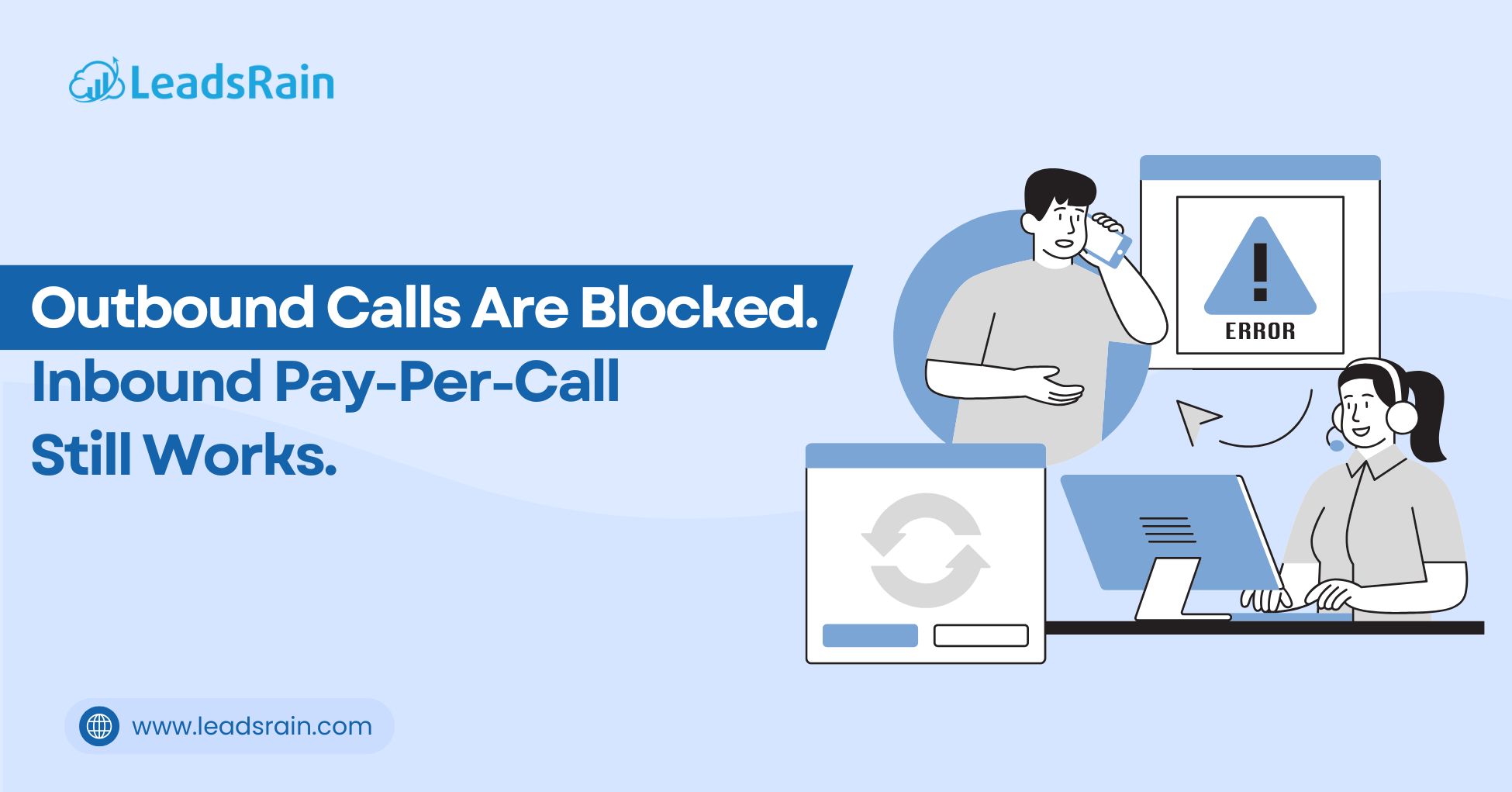
Cold calling used to drive predictable pipelines in B2C lead generation. Sales teams dialed high volumes, prospects picked up, and opportunities moved forward reliably. That approach no longer delivers consistent results. Modern smartphones automatically block, label, or mute most unknown numbers before they even ring.
Carriers now require strict identity verification through STIR SHAKEN protocols. Mobile operating systems deploy AI assistants that screen every incoming call. Consumers increasingly view unfamiliar numbers as potential threats. As a result, live answer rates for outbound dials have fallen below three percent across many industries.
This article explains why pay per call has become the safest lead model in 2026. It shows how inbound voice leads solve today’s biggest delivery and compliance challenges.
What Changed in the Outbound Calling Ecosystem?
The technical and regulatory environment for business calling has shifted sharply. Carriers use real time spam scoring, mobile platforms auto screen calls, and compliance rules demand explicit consent. Even legitimate businesses now struggle to get their calls through reliably.
- Carrier spam labeling: Major carriers assign spam risk scores using behavioral data. Legitimate numbers get flagged due to volume changes or user complaints
- AI call screening: Built in assistants on Android and iOS answer unknown calls, forcing reps to leave messages for software
- User level blocking: Apps like Truecaller share spam reports globally. One complaint can block your number on millions of devices
- Consent and compliance pressure: FCC enforcement of TCPA and state level regulations has increased penalties for non compliant outreach
- Rising cost per outbound attempt: Teams now make 25 to 35 dials to get one live answer, pushing up customer acquisition costs
- Number reputation decay: STIR SHAKEN attestation levels determine call delivery. Low attestation numbers often go straight to voicemail
- Declining mobile answer rates: Less than five percent of unknown mobile numbers receive live answers based on 2025 industry data
- Poor call analytics: Many dialers cannot distinguish between voicemail, hang ups, and live conversations, limiting optimization
Why Are Traditional Lead Models Becoming Riskier
Form fills, scraped lists, and retargeting leads often lack verified phone consent or genuine buying intent, many come from students, job seekers, or bots. Dialing these numbers without confirmed permission risks regulatory fines and carrier penalties.
- CPL leads frequently lack documented phone consent, creating TCPA compliance risk
- Email lists decay fast and often include spam trap addresses
- Retargeting leads show interest but rarely urgency, resulting in low call conversion
- Unqualified leads waste sales time on disqualification instead of closing
- Fake form submissions inflate pipeline metrics while hiding true cost per acquisition
- Lead vendors often resell the same data to multiple buyers, reducing exclusivity
- Cold dialing from unvetted lists damages calling reputation with carriers
- Missing source tracking makes it hard to prove ROI or optimize campaigns
Why Does Pay Per Call Fit the Post Call Blocking Environment
Pay per call works with modern phone behavior instead of against it. Because the prospect starts the call, it appears as a normal inbound number and avoids spam filters. The model aligns with user expectations, carrier rules, and compliance needs all at once.
Bypasses Carrier Spam Filters
The call originates from the user’s phone to your business line. Carriers treat this as standard inbound traffic, not marketing outreach. No attestation issues, no silent drops.
Meets TCPA Prior Express Consent Standards
Clicking a call button in a Google ad or tapping a number in a business profile shows clear user intent. Regulators recognize this as valid consent for contact.
Leverages Trusted Entry Points
Calls come from sources consumers already trust, like local search results or verified review platforms. This context increases answer likelihood and reduces suspicion.
Delivers Real Time Intent Signals
IVR selections, call length, and spoken phrases provide immediate qualification. Teams can route or prioritize based on actual conversation cues.
Integrates Cleanly With CRMs and Dialers
Each call includes source, campaign, location, and device data. Reps see context before answering, and marketers get clean attribution.
Supports Full Compliance Auditing
Call recordings, timestamps, and consent logs are stored automatically. This satisfies documentation needs in regulated industries.
Reduces Wasted Sales Effort
Every call comes from someone who chose to reach out. No dead numbers, no fake emails, just live conversations ready for follow up.
Industries Benefiting the Most From Pay Per Call
Some industries depend on speed, trust, and complex conversations. For these, voice is the natural conversion channel. Pay per call delivers ready to talk prospects at the exact moment they seek help or information.
- Insurance: Shoppers comparing policies often call within minutes. Keywords like accident or coverage gap help qualify instantly
- Home Services: Emergency issues like Solar repair, Plumbing problems, Roofing concerns, Pest problems or AC failure drive immediate calls. Customers choose the first highly rated local number they see
- Legal Services: Case evaluations require personal discussion. Voice builds credibility faster than web forms
- Healthcare: Patients researching procedures prefer speaking to a coordinator before sharing health details online
- Financial Services: Topics like Tax relief, debt relief or mortgage refinance, home refinance etc., need live explanation. Regulated calls also require clear consent records
Explore how each vertical uses call driven leads in our industry specific guides on insurance, legal, and home services.
How LeadsRain Can Help Businesses Shift to Pay Per Call?
LeadsRain integrates smoothly with your existing campaigns and tech stack, delivering qualified inbound calls while handling compliance, tracking, and optimization behind the scenes.
- Dedicated ad creation support: Our team builds and tests high intent call focused ads for Google, Meta, and native platforms
- High converting pay per call landing page creation: Pages are designed specifically to drive clicks to call, not form fills, with trust signals and clear CTAs
- Dynamic number insertion: Unique trackable numbers are served across ads, local listings, and web pages so every call source is known
- Real time IVR filtering: Custom prompts screen callers before they reach your team, sending only qualified leads through
- Geo and device targeting: Focus budget on high converting regions or mobile users most likely to call
- Call tracking: Full source, keyword, campaign, and session level tracking shows exactly which channels drive your best calls
- Call recording and AI scoring: Every conversation is saved, transcribed, and analyzed for keywords and sentiment
- Retargeting with Toll free SMS: Engage bounced visitors or warm leads through compliant toll free SMS sequences that drive repeat call attempts
- Transparent billing: Pay only for calls that meet your set rules like minimum duration or IVR response
- STIR SHAKEN compliance: All numbers are properly attested to avoid spam labeling and ensure delivery
There are no setup fees, and no hidden markups. Just qualified inbound calls ready for your sales team.
Summing it up
Traditional lead models are losing ground as consumers block unknown calls and regulators tighten consent rules. Pay per call meets buyers where they are, initiating trusted, timely conversations that convert. It’s the only model that can avoids spam filters, ensures compliance, and delivers real intent in 2026. Ready to turn missed dials into closed deals? Contact LeadsRain at support@leadsrain.com for a free lead flow audit and start capturing qualified calls next week.