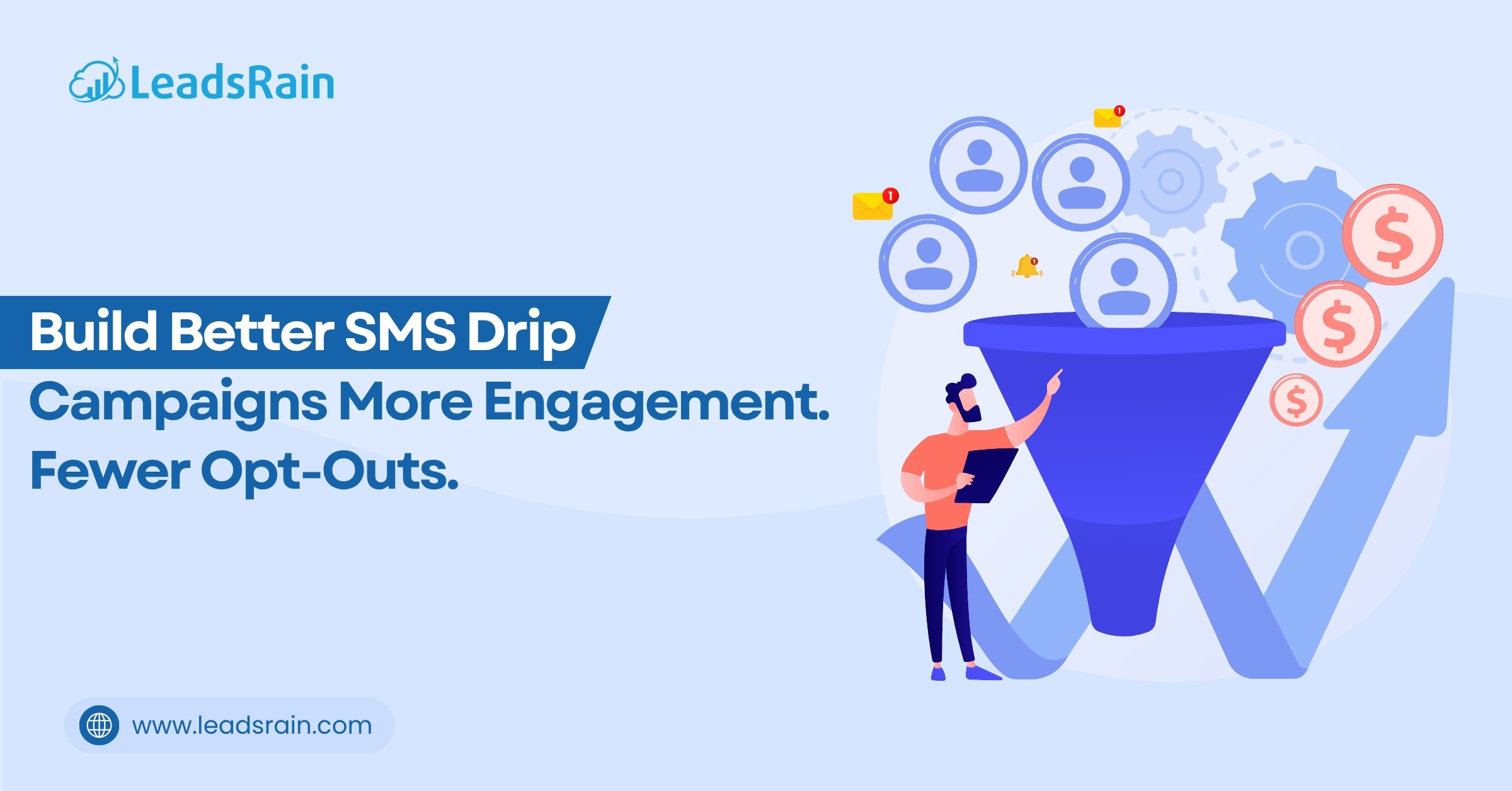
Lead volume means nothing if follow up messages trigger opt outs instead of bookings. SMS drip campaigns often fail because marketers copy email cadences that expect delayed responses and long reading sessions.
Mobile users expect immediate value, zero friction, and clear next steps. A successful SMS nurture sequence respects attention, aligns with service urgency, and moves leads toward a live conversation or booking link without feeling repetitive.
This article covers the structural differences between email and SMS nurturing, outlines frequency rules that prevent fatigue, explains trigger based sequencing for local service leads, and provides a step by step implementation guide for campaigns that book appointments instead of burning through contact lists.
Why SMS Drip Campaigns Fail When Designed Like Email?
Email campaigns rely on inbox placement, subject lines, and multi paragraph content that users scan at their convenience. SMS operates on lock screen visibility, immediate context, and strict carrier compliance rules. Translating email drip logic to mobile text ignores the twenty character attention threshold and the real time nature of mobile communication.
- Fixed interval scheduling ignores actual customer urgency and service need timing
- Multi message sequences exceed the one hundred sixty character limit and trigger carrier splitting
- Generic copy without neighborhood context feels broadcast rather than personal to local subscribers
- Missing clear opt down options forces hard opt outs instead of preference adjustments
- Tracking open rates instead of reply rates hides true engagement and intent signals
- Ignoring quiet hour rules between eight PM and eight AM generates three times more spam complaints
- Using email style subject lines or greetings wastes precious character count on mobile lock screens
Core Principles for Annoyance Free SMS Drip Campaign
Annoyance free SMS nurturing requires discipline in pacing, precision in targeting, and continuous metric monitoring. The goal is to maintain brand visibility while giving subscribers control over their experience. When you align message cadence with actual customer behavior, nurture sequences drive bookings instead of opt outs.
- Limit promotional frequency to one message per week per subscriber to prevent carrier spam labeling and preserve reply rates
- Use trigger based timing instead of fixed calendar intervals so messages align with service inquiries or local weather events
- Personalize with service history and neighborhood context to replace generic broadcasts with relevant local updates
- Include clear opt down options like reply LESS to reduce hard opt outs while keeping subscribers in your database
- Track reply rate and delivery metrics instead of just open rate because two way engagement signals true intent and deliverability health
Step by Step Framework to Build a High Converting SMS Drip Campaign
Building a converting SMS drip sequence requires intentional structure, technical integration, and proactive fatigue management. Follow these five steps to design a nurture flow that moves leads from initial inquiry to booked appointment.
Step 1: Define lead intent and segment by urgency level
Use initial opt in keywords or zip code validation to separate emergency seekers from research phase contacts. High intent leads bypass the drip sequence entirely and route to live dispatcher connections, while research leads enter the nurture flow.
Step 2: Map a value first sequence with clear conversion checkpoints
Lead with maintenance tips, service availability alerts, or neighborhood job completions before introducing promotional offers. Each message must end with a single action prompt like reply YES to schedule or tap the link to view pricing.
Step 3: Integrate click to call and booking links with UTM tracking
Route every tap to a pre-qualified landing page or direct dial number that carries source attribution. This preserves CRM tracking while eliminating the friction of form fills or repeated data entry.
Step 4: Set fatigue thresholds and automated pause rules
Configure your platform to halt sends to any segment crossing a twenty percent reply drop or point five percent opt out spike. Pause triggers protect sender reputation and prevent permanent subscriber loss.
Step 5: Test timing windows and message length before full launch
Run A B sends during weekday mornings versus late afternoons to measure reply velocity. Keep core nurture messages under one hundred forty characters to prevent segment splitting and maintain deliverability across all carrier networks.
Quick Tips to Maintain High Subscriber Engagement
- Always include your business name in the first message to establish immediate sender recognition
- Keep promotional copy under one hundred forty characters to prevent message splitting and preserve readability
- Use local area codes in tracking numbers to increase tap through rates from neighborhood level leads
- Exclude recent service customers from promotional flows for thirty days to avoid perceived overmessaging
- Rotate message formats between text only, text plus link, and text plus click to call to maintain novelty
- Monitor carrier feedback loops weekly to identify spam complaint trends before deliverability drops
Summing it up
SMS drip campaigns succeed when frequency respects subscriber tolerance and timing matches actual service demand. Local businesses that replace rigid email cadences with trigger based sequences protect sender reputation while maintaining steady appointment flow.
Treat SMS as a precision nurturing channel, not a broadcast megaphone. Every message should deliver contextual value, offer a clear next step, and leave room for the subscriber to control the conversation. Ready to build drip sequences that nurture leads into bookings without triggering opt outs? – Contact support@leadsrain.com for technical setup and fatigue prevention configuration.
Frequently Asked Questions
Does an SMS drip campaign require separate TCPA consent from email opt ins?
Yes. Federal law treats text consent independently from email permission. You must capture explicit written opt in for SMS before adding any contact to a drip sequence.
Can weather triggers replace fixed intervals in local service nurture flows?
Yes. Event based triggers outperform calendar schedules because they align with real customer need. Rain or heat spikes justify contact without consuming your promotional quota.
How do I prevent carrier filtering when scaling SMS drip volume?
Rotate sender IDs, maintain reply rates above twenty percent, and pause segments that cross point three percent spam complaint thresholds before carrier algorithms intervene.
Should emergency leads enter the same drip sequence as research phase contacts?
No. Route high urgency opt-ins directly to live dispatcher connections or same day booking links. Nurture sequences are designed for delayed decision makers, not immediate service requests.
Does message length affect deliverability in 2026 carrier networks?
Yes. Messages exceeding one hundred sixty characters split into multiple segments, increasing delivery latency and spam filter triggers. Keep core nurture messages concise and single segment.
How often should I audit SMS drip fatigue metrics for local campaigns?
Weekly. Monitor reply velocity, opt out spikes, and delivery failure rates every seven days to catch engagement drops before they impact booking pipelines or sender reputation.